
3.5kVA5.28kWh1.65kWp~6h backup
₦1,705,000
or ₦79,631/month
Installed price, equipment and installation included
⚡Over 2,500+ Homes & Businesses Powered Across Nigeria
For 1–2 bedroom flats
Fridge, fans, TV and lights
1.1kWp solar · 2.5kVA hybrid inverter · 2.56kWh lithium · ₦1.66M
or ₦77,436/month
Package price: all the equipment below, installed and commissioned.
Delivery to Estimated, Monday to Saturday. Installation is booked after delivery.
Today₦414,500
Then 12 × monthly₦128,682
Total ₦1,958,688, of which ₦300,688 is the cost of credit (42% APR, indicative). A bigger deposit or shorter term lowers the total. Your lender confirms the final terms before you commit.
1.1 kWp
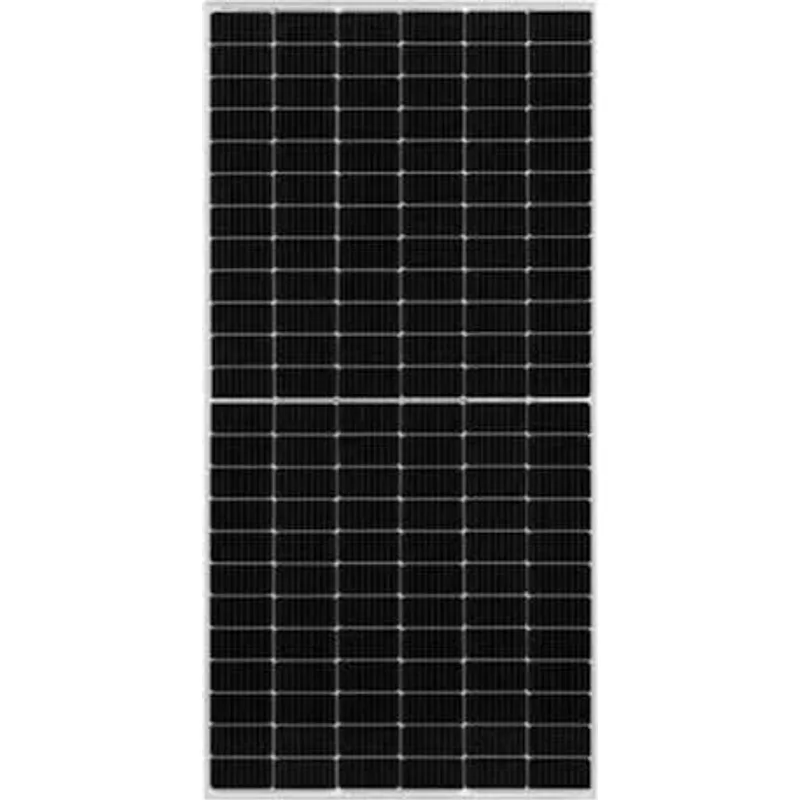
Solar array (2 panels)
2.5 kVA
Inverter
2.56 kWh
Battery
3.7 kWh
Solar a day (Lagos)
₦1.66M
Installed price
Pay outright
₦1,658,000
Equipment, installation and commissioning. Delivery is added at checkout.
Pay Small Small
₦414,500 down
then 12 payments of ₦128,682
Example at the minimum 25% deposit. Choose 3 to 24 months above; credit by our lending partner, subject to approval.
Not recommended for: Running more than about 2kW at once.
Designed for this load, with about 8 hours of backup at night. On a sunny day the panels cover about 78% of it.
8× LED bulbs
6 hours a day · about 10W each
3× Ceiling fan
10 hours a day · about 70W each
1× Fridge
24 hours a day · about 150W each
1× 43" TV
5 hours a day · about 100W each
1× Laptop
4 hours a day · about 65W each
2.3 kWh
Usable of 2.56 kWh, without shortening battery life
5 hours
At your evening load (about 425W)
3.5 hours
With everything above on at once (about 605W)
Overnight: with the appliances above on their usual evening hours, a full battery carries you for about 5 hours. Plan about 8 hours by switching off the heaviest loads late at night. The panels recharge it the next day.
The Home Essential 2.5kVA, hour by hour, with NEPA off all day. Watch the sun charge the battery, the battery carry the night, and see when, if ever, the generator has to start. Pick a kind of day to see how it copes when the sun is weak.
12:00 pm
Best day · NEPA off
On a best day (about 167 a year), the panels fill the battery and its lowest point is 16%. The generator never starts.
2.4 kWh
Solar used
2.2 kWh
House used
16%
Battery lowest
None
Generator
| Hour | Panels make | Solar to house | Solar to battery | Battery to house | Generator | House | Battery at end |
|---|---|---|---|---|---|---|---|
| 12am | 0 kW | 0 kW | 0 kW | 0.1 kW | 0 kW | 0.1 kW | 47% |
| 1am | 0 kW | 0 kW | 0 kW | 0.1 kW | 0 kW | 0.1 kW | 41% |
| 2am | 0 kW | 0 kW | 0 kW | 0.1 kW | 0 kW | 0.1 kW | 35% |
| 3am | 0 kW | 0 kW | 0 kW | 0.1 kW | 0 kW | 0.1 kW | 29% |
| 4am | 0 kW | 0 kW | 0 kW | 0.1 kW | 0 kW | 0.1 kW | 24% |
| 5am | 0 kW | 0 kW | 0 kW | 0.1 kW | 0 kW | 0.1 kW | 18% |
| 6am | 0 kW | 0 kW | 0 kW | 0 kW | 0 kW | 0 kW | 16% |
| 7am | 0 kW | 0 kW | 0 kW | 0 kW | 0 kW | 0 kW | 17% |
| 8am | 0.2 kW | 0 kW | 0.2 kW | 0 kW | 0 kW | 0 kW | 23% |
| 9am | 0.4 kW | 0.1 kW | 0.4 kW | 0 kW | 0 kW | 0.1 kW | 38% |
| 10am | 0.7 kW | 0.1 kW | 0.7 kW | 0 kW | 0 kW | 0.1 kW | 66% |
| 11am | 1 kW | 0.1 kW | 0.8 kW | 0 kW | 0 kW | 0.1 kW | 100% |
| noon | 1.1 kW | 0.1 kW | 0 kW | 0 kW | 0 kW | 0.1 kW | 100% |
| 1pm | 1 kW | 0 kW | 0 kW | 0 kW | 0 kW | 0 kW | 100% |
| 2pm | 0.8 kW | 0 kW | 0 kW | 0 kW | 0 kW | 0 kW | 100% |
| 3pm | 0.5 kW | 0 kW | 0 kW | 0 kW | 0 kW | 0 kW | 100% |
| 4pm | 0.2 kW | 0 kW | 0 kW | 0 kW | 0 kW | 0 kW | 100% |
| 5pm | 0.1 kW | 0 kW | 0 kW | 0 kW | 0 kW | 0 kW | 100% |
| 6pm | 0 kW | 0 kW | 0 kW | 0.1 kW | 0 kW | 0.1 kW | 96% |
| 7pm | 0 kW | 0 kW | 0 kW | 0.1 kW | 0 kW | 0.1 kW | 91% |
| 8pm | 0 kW | 0 kW | 0 kW | 0.2 kW | 0 kW | 0.2 kW | 81% |
| 9pm | 0 kW | 0 kW | 0 kW | 0.2 kW | 0 kW | 0.2 kW | 71% |
| 10pm | 0 kW | 0 kW | 0 kW | 0.2 kW | 0 kW | 0.2 kW | 61% |
| 11pm | 0 kW | 0 kW | 0 kW | 0.2 kW | 0 kW | 0.2 kW | 54% |
Kinds of day and how often they happen come from NASA POWER satellite data for Lagos, 2021 to 2023 (daily sunlight: best 5 kWh/m² or more, good 4–5, fair 3–4, poor 2–3, worst under 2). Panels are rated in kWp: in clear midday sun they make their rated kW, less on cloudy days. Inverters carry their full rating (1kVA = 1kW). The simulation assumes NEPA is off all day, the panels out-produce the house from 8am to 5pm with the rest filling the battery, and a home that uses most of its power after 6pm, about 2.2 kWh a day: the appliance list above trimmed to what this system can carry with no grid at all (the full list, about 4.8 kWh a day, assumes some grid power). The generator starts only when the battery is empty. Estimates; your engineer confirms them at the site survey.
| Solar array | 1.1 kWp |
|---|---|
| Panels | 2 × Jinko Tiger Pro 550W Mono |
| Inverter | 1 × SRNE 2.5kVA 24V Hybrid Inverter |
| Phase | Single-phase |
| Battery | 1 × SRNE 25.6V 100Ah Lithium Battery |
| Battery capacity | 2.56 kWh (2.3 kWh usable) |
| Battery chemistry | LiFePO₄ (lithium iron phosphate) |
| Battery cycle life | 6,000+ cycles |
| Battery warranty | 5 years |
| Solar energy a day | About 3.7 kWh in Lagos |
| Solar energy a month | About 113 kWh |
| Roof space needed | About 6 m² |
| Runs at once | About 2kW comfortably |
Estimated against running a 2.5kVA petrol generator. The more of your power you use in daylight, the faster it pays back.
Conservative
You use 60% of what the panels make
₦32,799 saved a month
4.2 years to pay back ₦1.66M
Typical
You use 75% of what the panels make
₦40,999 saved a month
3.4 years to pay back ₦1.66M
Daytime-heavy use
You use 90% of what the panels make
₦49,198 saved a month
2.8 years to pay back ₦1.66M
A 2.5kVA petrol generator running 10 hours a day at half load burns about 126 litres a month. At ₦1,050 a litre that is ₦132,245 in fuel, before servicing, oil and repairs: about ₦484 for every kWh it makes. These panels make about 3.7 kWh on a sunny day, and the battery carries the evening.
Work it out with your own fuel spendSolar output: 1.1 kWp × 4.5 peak sun hours a day (Lagos) × 0.75 for heat, dust and wiring losses. Savings: the share of that output you use, valued at what the same energy costs from the generator. Generator fuel: litres per hour = 0.246 × kW drawn + 0.084 × rated kW (the standard fuel curve used in energy-planning tools), at half load, with petrol at ₦1,050 a litre and ₦15,000 a month for servicing. Small petrol sets usually burn more than this curve suggests, so real savings are often higher. Battery hours use 90% of lithium and 50% of lead-acid capacity and 92% inverter efficiency. Estimates, not a guarantee: an engineer confirms your numbers at the site survey.
Examples with the minimum 25% deposit. Choose your own deposit and term (3 to 24 months) above; your exact quote comes from our lending partners at checkout.
| Tenor | Down payment | Monthly | Total |
|---|---|---|---|
| 3 months | ₦414,500 | ₦443,848 | ₦1,746,043 |
| 6 months | ₦414,500 | ₦233,365 | ₦1,814,693 |
| 12 months | ₦414,500 | ₦128,682 | ₦1,958,688 |
| 18 months | ₦414,500 | ₦94,278 | ₦2,111,509 |
| 24 months | ₦414,500 | ₦77,436 | ₦2,272,970 |
APR shown on your quote before you apply. Credit disclosures
Book a free site survey. An engineer checks your roof, your appliances and your wiring, and confirms exactly what the Home Essential 2.5kVA will run and save.
One working day for most homes, after a site survey. You choose your survey date at checkout.
Yes. The 2.5kVA inverter accepts additional batteries at the same voltage, and we can quote a top-up from your account.
Use Customise this package to swap parts, or run the solar calculator with your own appliances. An engineer checks every order before dispatch.
Yes. The price includes all the equipment listed, installation, commissioning and a 12-month workmanship warranty. Delivery is shown at checkout.
or ₦79,631/month
Installed price, equipment and installation included
or ₦56,980/month
Installed price, equipment and installation included
or ₦46,284/month
Installed price, equipment and installation included